
Sustainable Fashion: From Mythical To Manageable
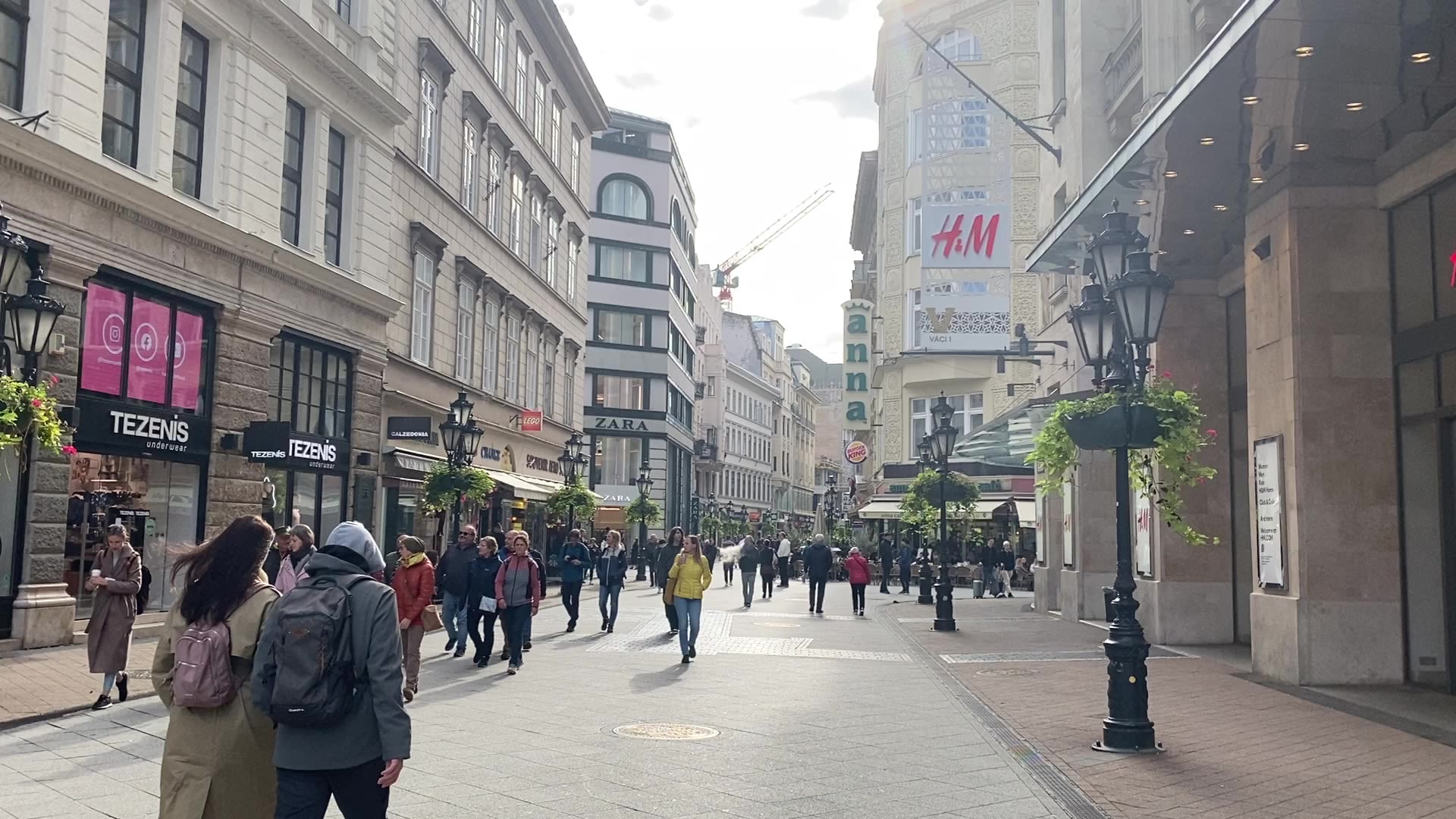


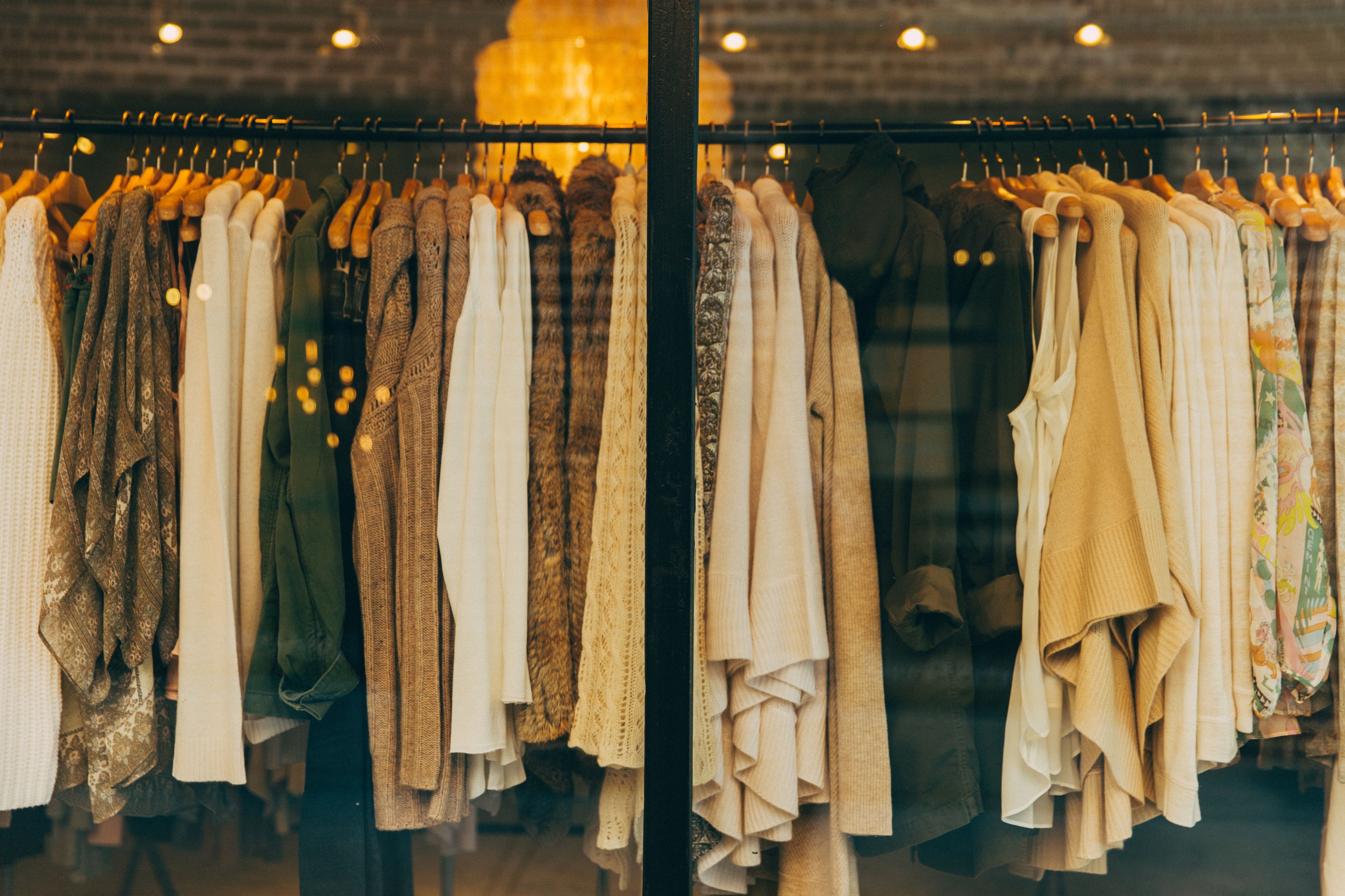
Photo by Hannah Morgan on Unsplash
Photo by Hannah Morgan on Unsplash


Photo by Fernand De Canne on Unsplash
Photo by Fernand De Canne on Unsplash
Fast fashion is a well-known contributor to the climate crisis - but it is a system that seems impossible not to sustain.
The fashion industry crafts a cycle of overconsumption that contributes to water and air pollution, as well as tons of textile waste every year.
Despite efforts to be greener (from both fast fashion and slow-fashion brands), a new solution is becoming popular, one that focuses on the items already in circulation: secondhand shopping.
Is fast fashion really all that bad?
Fast fashion is relatively cheap and accessible, often being the only option for those on a low budget. However, styles change every season, and the quality is low, so the value of items decreases fast, maintaining demand for an endless cycle of new items.
Brands recognise the demand for sustainable fashion, but their incentives to make the switch are often corrupt, resulting in greenwashing, whereby they falsely advertise their products as eco-friendly, luring in even more customers and easing their worries about overconsumption.
Listen to this podcast to learn more about greenwashing
On the other hand, truly sustainable brands need to remain expensive to stay in business, and thus ethical, eco-friendly fashion is rarely affordable for most. Even so, these brands face criticism for encouraging the consumption of new items, regardless of the quality of the clothing.

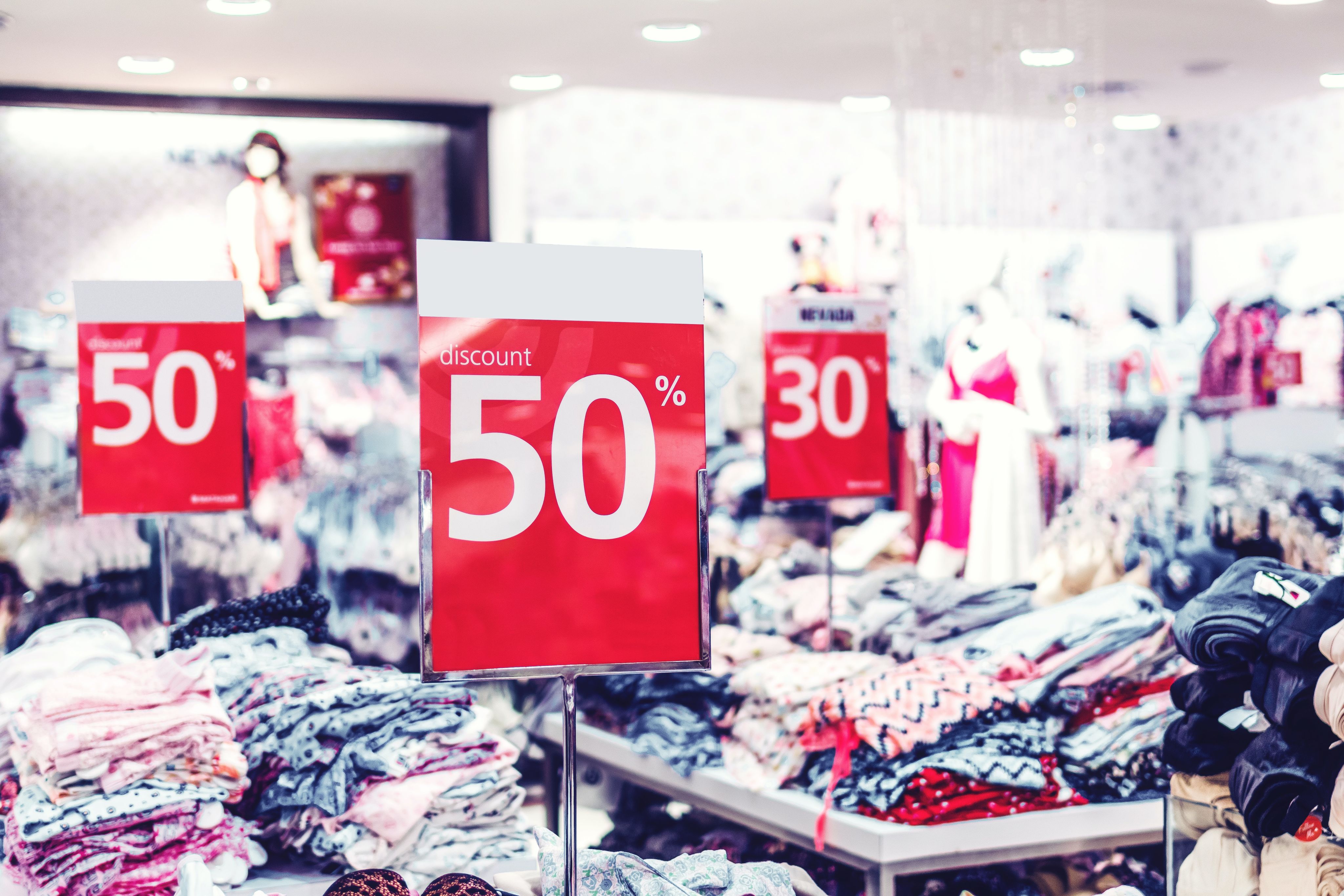

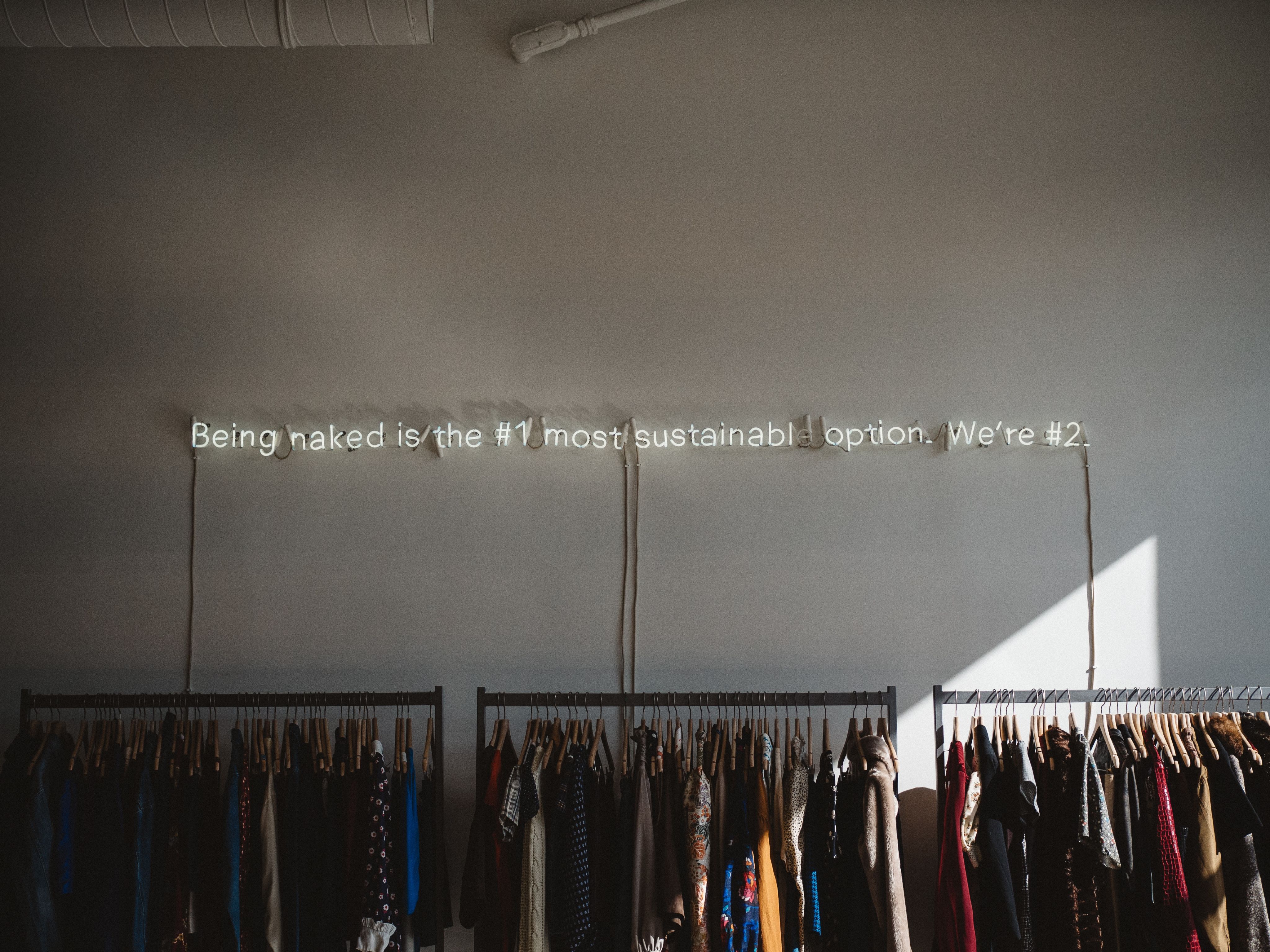

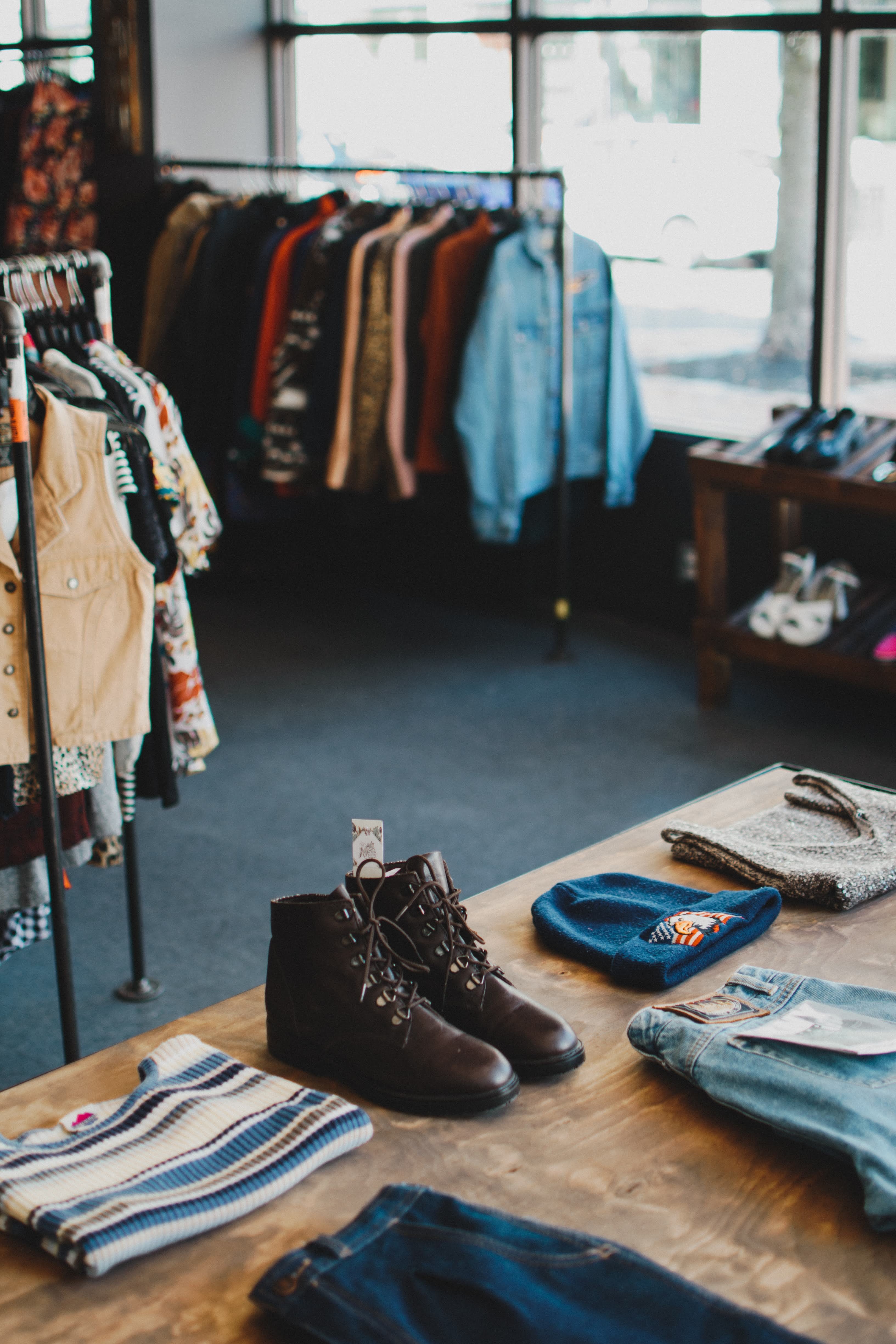
Photo by Kaylin Pacheco on Unsplash
Photo by Kaylin Pacheco on Unsplash
"I think the way we're doing fashion now... that's not what we're supposed to be doing."
So what is the alternative?
The solution must lie in making use of the already existing but barely used clothing that gets thrown away in staggering quantities. Vintage and secondhand shopping have become popular, however the process can be time-consuming and costly.
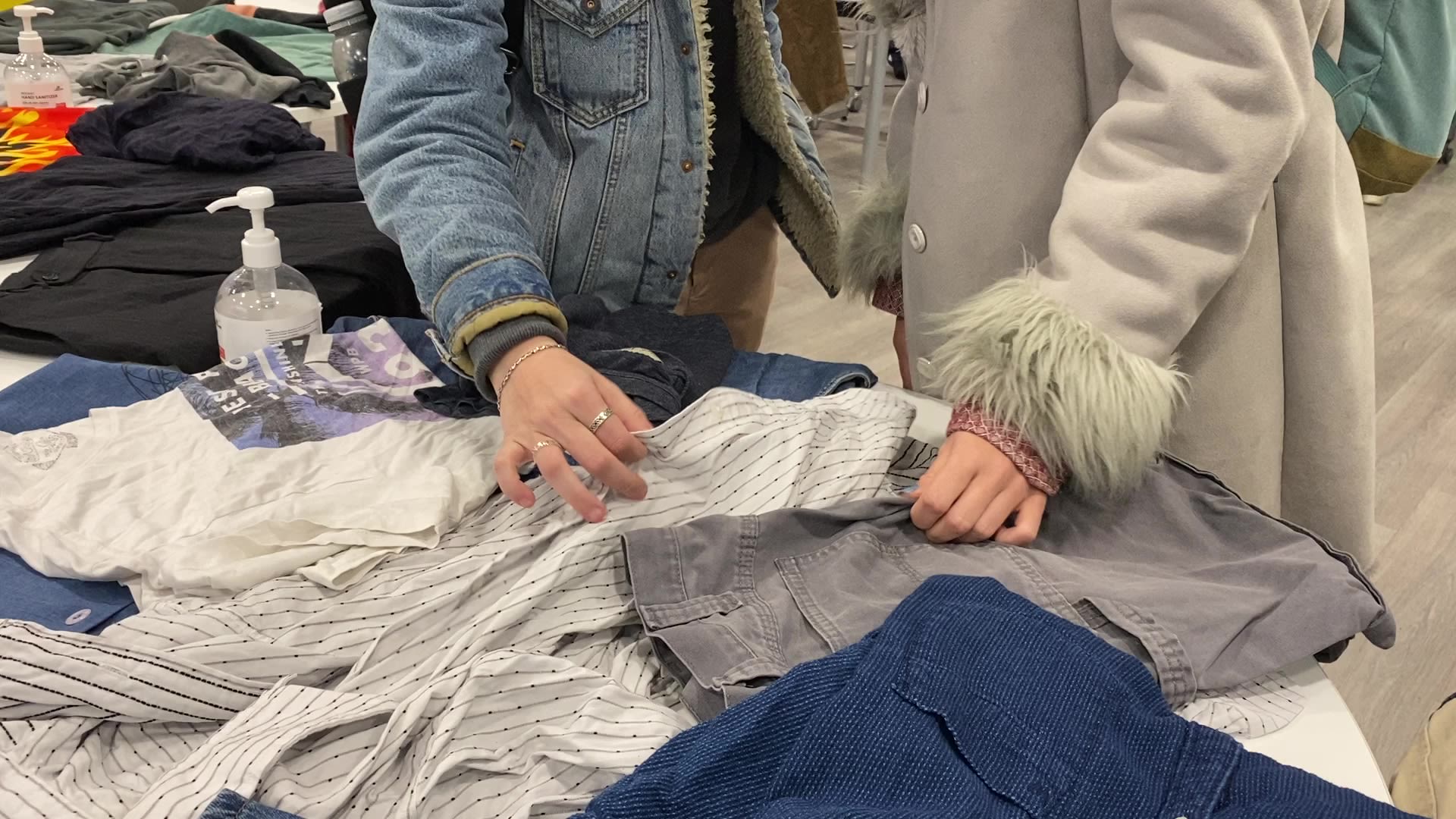
Enter the emerging community-based solution: clothing swaps. These events, often free or very cheap to attend, are a perfect way to get rid of old clothes you don’t wear anymore, as well as score new items. You’re likely to find similar items as you would in a charity shop, with the added bonus of mingling with peers.
Watch the video below about The Fair Fashion Project, a student-led example from Dublin, Ireland.

 Built with Shorthand